
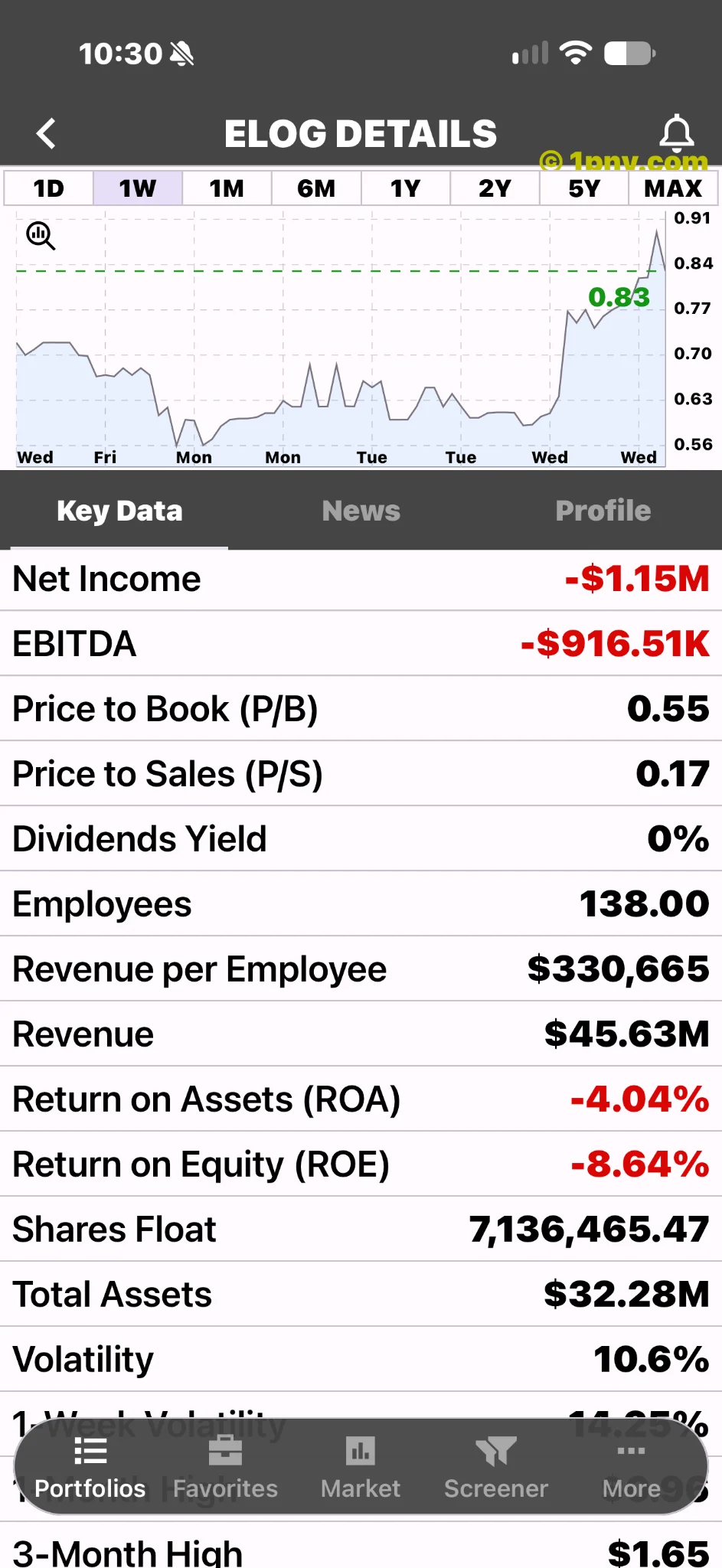
Eastern International provides logistics services in China and Southeast Asia, a business where substantial freight revenue does not automatically translate into profit. Its latest verified audited figures cover the year ended March 31, 2026, not a single quarter: $45.6 million in revenue, a $1.15 million net loss and $5.56 million in bank and other borrowings, excluding lease liabilities. Those figures establish the scale of the business without pretending that an annual report describes the latest quarter.
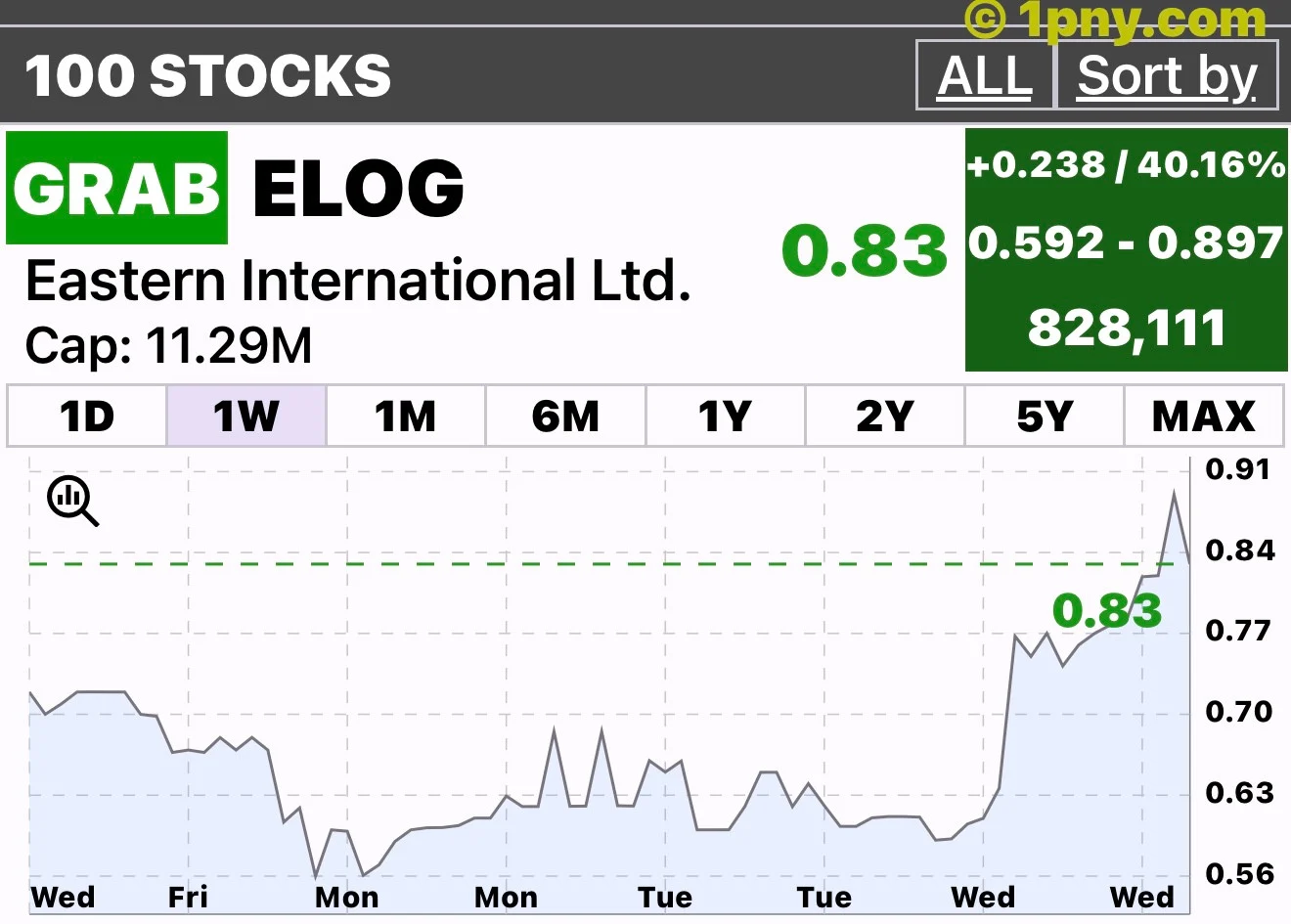
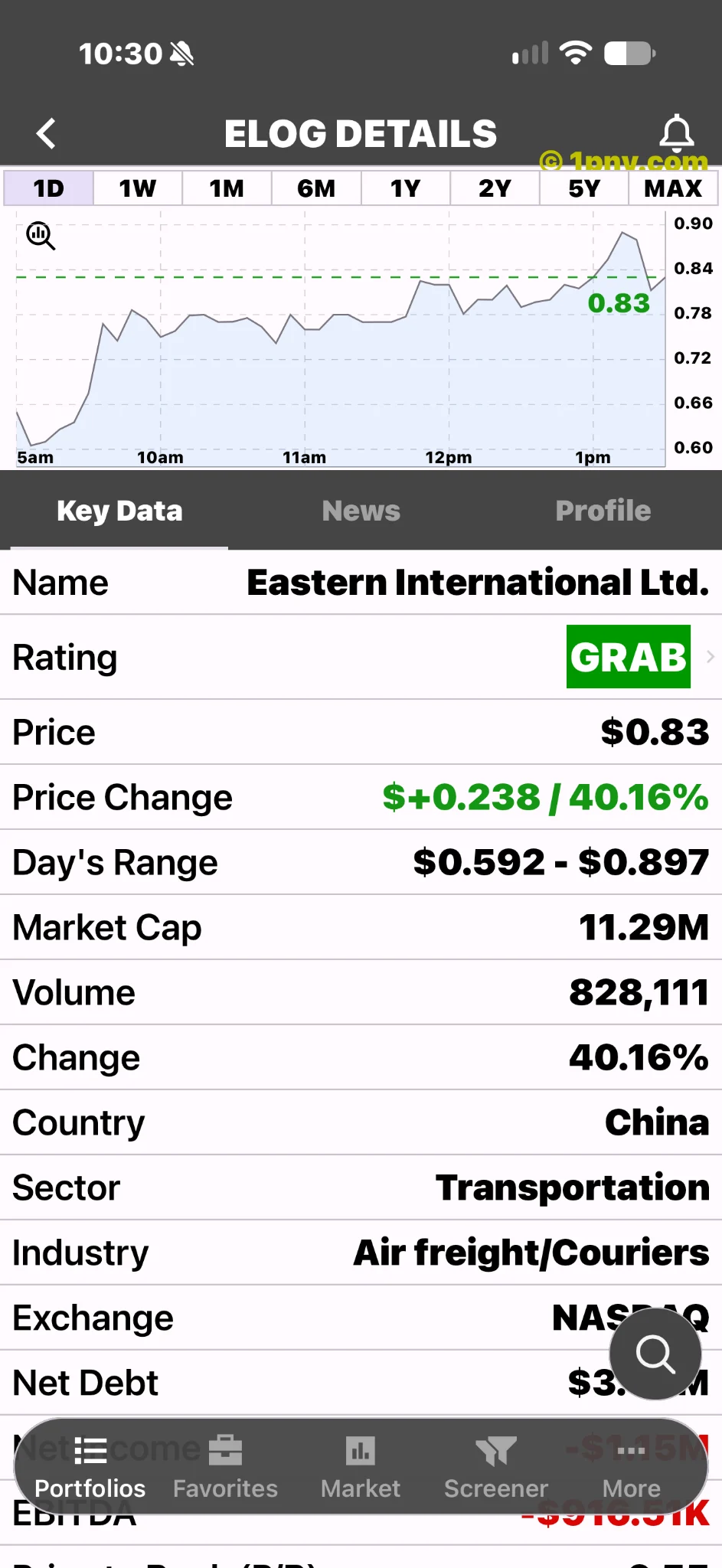
Its stock, however, was making a sizeable move. Eric's November 11 screenshot captured ELOG at $0.83, up +40.16%, with 828,111 shares traded. A later chart showed $0.828. Those readings are snapshots, not closing prices or live quotations.
A rally in search of an operating explanation
The verified corporate development is a proposed financing, not a confirmed surge in freight orders. A November 2 preliminary prospectus describes up to 12.5 million new ordinary shares at an assumed $0.36 price. That assumption is not a final offering price, and the document does not establish that the sale has closed.
This distinction matters. A financing filing can be important without explaining why the stock rose on a particular morning. The evidence reviewed does not establish a fresh contract or earnings surprise as the cause of this move.
New capital can help the company without helping every share
There is a constructive side to raising money: a business can gain resources to operate and pursue opportunities. But common-stock financing also presents existing owners with dilution. The better question is not simply whether cash might arrive. It is whether that cash can eventually produce enough additional business value to justify the additional shares.
Calling the proposed offering automatically bullish would miss that trade-off. Calling the rally proof that the trade-off has disappeared would be worse.
Zoom out before celebrating
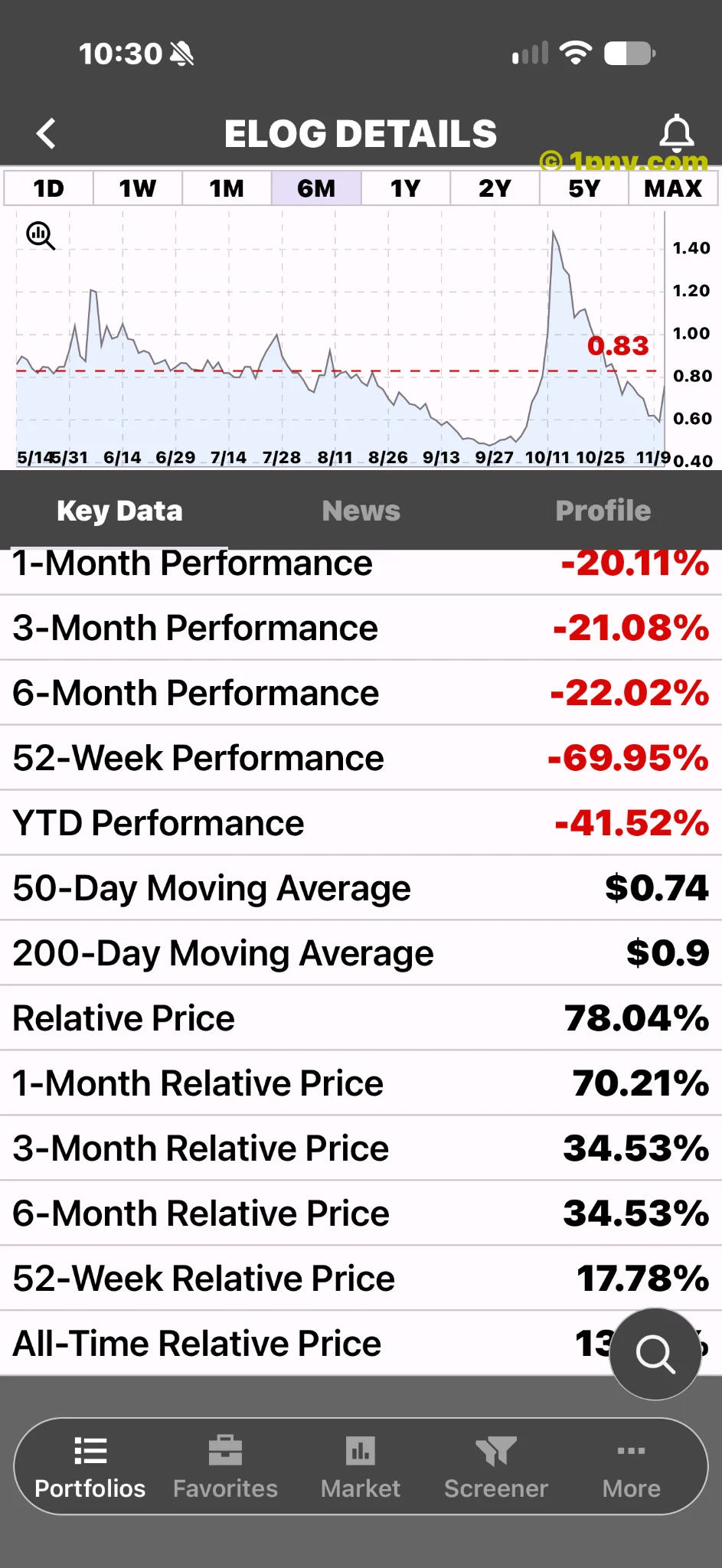
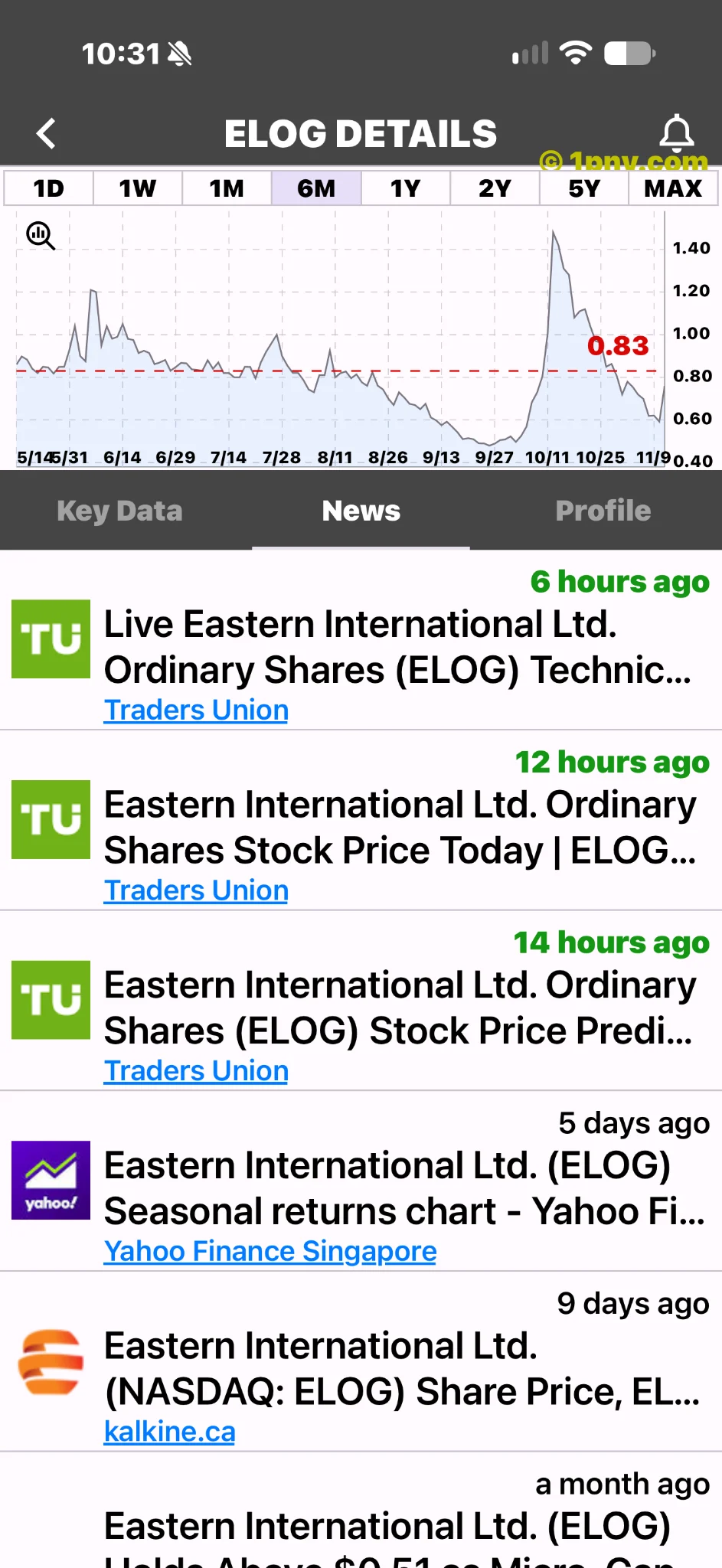
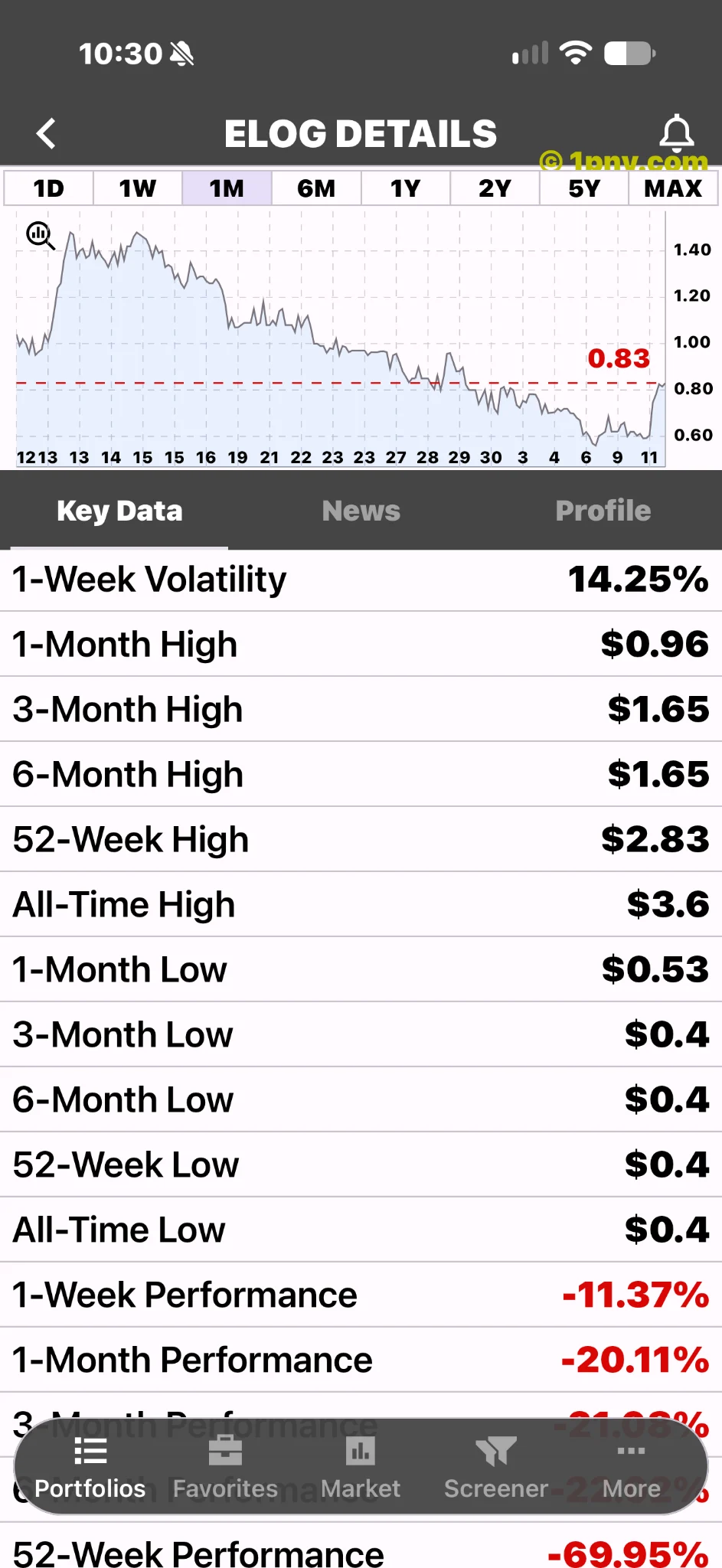
The supplied six-month chart shows repeated setbacks rather than a clean recovery. An October surge reversed, and the latest bounce follows renewed selling. The one-month picture remains negative despite the strong latest session: the app's performance panel displays -20.11% over one month and -22.02% over six months. These are captured app metrics, not live return calculations. A rebound can be real without reversing the broader trend, and one steep upward segment cannot establish that a lasting turnaround has begun.
The interesting story here is the tension between a powerful price bounce and an unresolved financing question. Watch for final transaction terms and actual operating results. A green chart can show renewed interest; it cannot tell us whether the business has turned a corner.
Freight activity and shareholder returns are different journeys
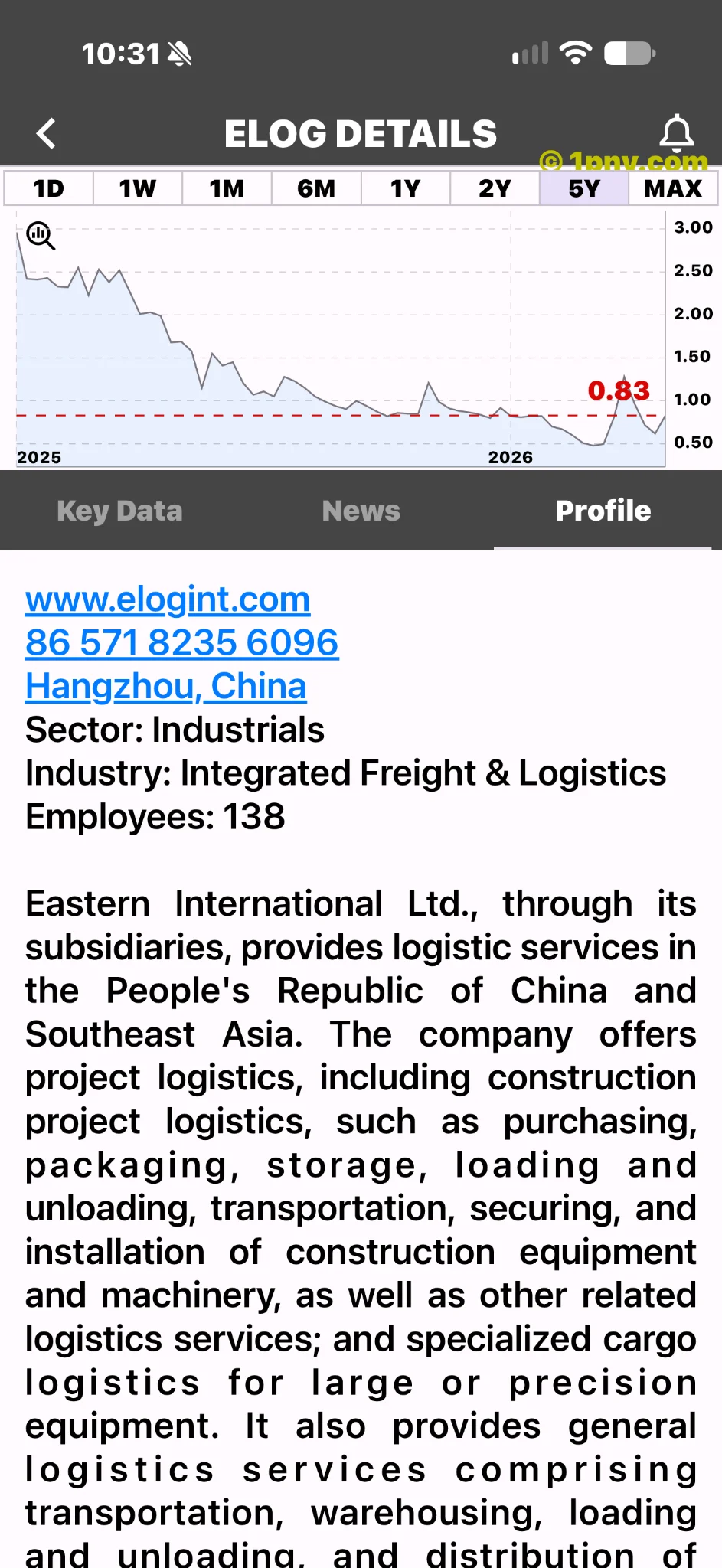
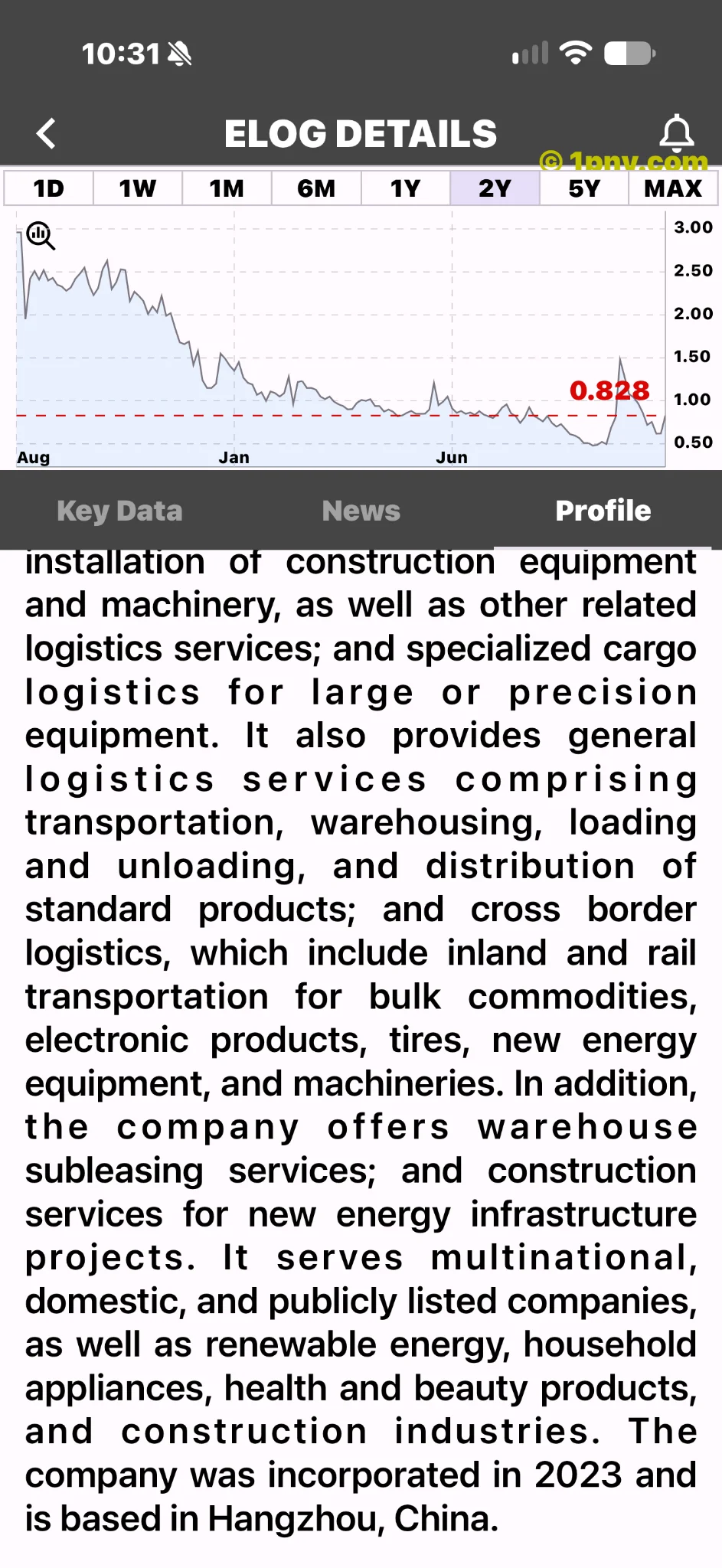
Logistics companies can move a great deal of cargo without earning a great deal on each shipment. For readers evaluating Eastern International, the useful operating questions concern not only the volume of work, but also its profitability and the cash required to complete it. Winning business, recognizing revenue and collecting payment are related steps, not a single event. This is why an active-looking business does not automatically make its shares inexpensive.
The annual figures establish scale, not a fresh quarterly growth rate. Borrowings also differ from total liabilities: supplier balances and other obligations should not automatically be described as bank debt. For investors, the practical question is whether future operating cash can support the business and its financing commitments. A later dated report is needed before claiming that the latest operating quarter has improved.
The financing requires a similar sequence of checks. Proposed terms describe a plan. Definitive terms establish what investors have agreed to. Completion establishes what actually happened. Until those stages are clear, treating the maximum proposed proceeds as cash already available would jump ahead of the evidence.
That leaves a straightforward editorial judgment: the rebound is worth covering because it is large, not because its cause can be confidently reduced to a bullish headline. Readers deserve the excitement of the move and the unresolved questions underneath it. The most useful next chapter would explain whether the company's finances and freight operations are improving together.
Financial source: https://www.sec.gov/Archives/edgar/data/2013320/000149315226035476/form20-f.htm
Explore the supplied charts in PennyGems: https://1pny.com. Market commentary, not a recommendation to buy or sell.